
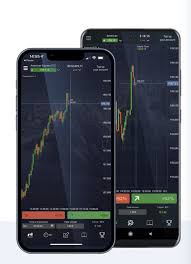
Pocket Option Trading Tips
In the world of online trading, mastering the right strategies and methods is crucial for success. Whether you’re a novice or an experienced trader, understanding the intricacies of Pocket Option can enhance your trading experience. This article will provide you with practical Pocket Option Trading Tips советы по торговле Pocket Option to help you navigate the trading platform effectively.
Understanding Pocket Option
Pocket Option is a popular online trading platform that offers users the ability to trade a variety of assets, including forex, commodities, stocks, and cryptocurrencies. It is known for its user-friendly interface, a wide range of trading tools, and high potential returns. However, just like any trading platform, it requires a strategic approach to be successful.
1. Start with a Demo Account
If you’re new to Pocket Option, one of the best tips is to start with a demo account. The demo account allows you to practice trading without risking real money. This is crucial as it helps you understand the trading platform, test different strategies, and build your confidence before moving on to a live account.
2. Study Market Analysis
Successful trading relies heavily on market analysis. There are two primary types of analysis you should familiarize yourself with: fundamental analysis and technical analysis. Fundamental analysis involves looking at economic indicators, news events, and financial reports that can affect an asset’s price. In contrast, technical analysis focuses on historical price movements and patterns, using charts and indicators. Combining both methods will provide you with a broader perspective on market trends.
3. Develop a Trading Strategy
Having a solid trading strategy is vital for long-term success. A good strategy should include clear entry and exit points, risk management techniques, and rules that fit your trading style. For example, you may choose a scalping strategy, which involves making numerous trades for small profits, or a long-term strategy, where you hold positions for extended periods. Make sure to backtest your strategy on historical data to evaluate its effectiveness.
4. Risk Management
Effective risk management is essential in trading. Many successful traders recommend risking no more than 1-2% of your capital on a single trade. This approach helps protect your account from significant losses and allows you to continue trading even after a few losing positions. Always use stop-loss orders to minimize potential losses and take profit orders to secure your gains.
5. Stay Up-to-Date with Market News

The financial markets are influenced by various factors, including economic data releases, geopolitical events, and market sentiment. Staying informed about these developments will help you make better trading decisions. Follow financial news websites, subscribe to newsletters, and consider using economic calendars to track important events that may impact your trades.
6. Use Technical Indicators
Technical indicators can provide valuable insights into market trends and potential entry/exit points. Some popular indicators include Moving Averages, Bollinger Bands, and the Relative Strength Index (RSI). Familiarize yourself with how these indicators work and integrate them into your trading strategy. However, avoid overloading your charts with too many indicators, as this can lead to confusion.
7. Keep Emotions in Check
Trading can be emotionally challenging, especially during periods of high volatility or after a series of losses. It’s crucial to remain disciplined and stick to your trading plan. Avoid making impulsive decisions based on fear or greed, and take a break if you find yourself becoming overly emotional. Maintaining a clear mindset will help you make rational trading decisions.
8. Learn from Your Mistakes
Every trader experiences losses at some point. The key is to learn from these mistakes rather than letting them discourage you. Keep a trading journal to document your trades, including the reasons for entering and exiting each position, and review it regularly. Analyzing your performance will allow you to identify patterns, improve your strategy, and avoid repeating the same mistakes.
9. Adapt to Changing Market Conditions
The financial markets are constantly evolving, and what works in one market condition may not work in another. Stay flexible and be willing to adapt your strategies based on changing trends and market dynamics. Regularly assess your performance and make necessary adjustments to ensure you’re always trading in alignment with the current market environment.
10. Continuous Education
Lastly, never stop learning. The world of trading is complex and ever-changing. Invest time in educational resources, such as books, online courses, webinars, and trading forums. Engaging with other traders can offer new perspectives and insights that can enhance your trading skills. Continuous education is key to staying ahead in the trading game.
Conclusion
Pocket Option offers traders a fantastic opportunity to engage in online trading across various asset classes. However, success in trading does not come by chance; it requires knowledge, strategy, and discipline. By following the tips outlined in this article, you can build a solid foundation for your trading journey. Remember to stay patient and persistent, as trading is a marathon, not a sprint.