

The Extradition Process in Venezuela: An Overview
The extradition process in Venezuela is a complex legal mechanism influenced by the nation’s legal traditions, international treaties, and political contexts. Extradition, the formal process where one jurisdiction formally delivers an individual to another jurisdiction for the purpose of prosecution or punishment, is governed by a combination of domestic law and international agreements. This article provides a comprehensive overview of the extradition process in Venezuela, focusing on its legal framework, operational challenges, and the broader implications for international relations and justice.
Legal Framework of Extradition in Venezuela
The extradition process in Venezuela is primarily governed by the country’s Constitution, its Criminal Procedure Code, and various international treaties. Article 8 of the Venezuelan Constitution recognizes the principle of extradition, stipulating that extradition shall be granted based on treaties in force. The requirement for extradition under Venezuelan law typically includes the dual criminality principle, meaning that the act for which extradition is sought must be considered a crime in both the requesting and requested states.
Furthermore, Venezuela is a party to several international conventions that influence its extradition practices. These include treaties such as the Inter-American Convention on Extradition and the United Nations Convention against Corruption, which define the obligations of signatory nations to cooperate in legal matters, including extradition scenarios. In the absence of an extradition treaty, the Venezuelan government may still consider requests for extradition based on the principle of reciprocity.
Judicial Process of Extradition
The judicial process of extradition in Venezuela involves several key stages. Upon receiving an extradition request, the Venezuelan authorities must first assess its compatibility with domestic law and international agreements. This initial assessment is typically conducted by the Venezuelan Attorney General’s Office, which evaluates the nature of the crime, the adequacy of the legal arguments presented, and the presence of an extradition treaty.
If the request is deemed valid, it will then proceed to the judiciary. The actual extradition hearing is conducted by a competent court, which examines the evidence and arguments presented by both the requesting state and the defendant. The court’s decision is based on various factors, including the seriousness of the alleged crime, potential human rights implications, and political motivations behind the request.
Challenges and Controversies
While the legal framework for extradition in Venezuela appears robust on paper, several challenges complicate the actual execution of extraditions. One of the primary concerns is the potential for political interference in the judicial process. Given Venezuela’s complex political landscape, there have been numerous instances where extradition requests have been influenced by the political affiliations or social status of the individuals involved.
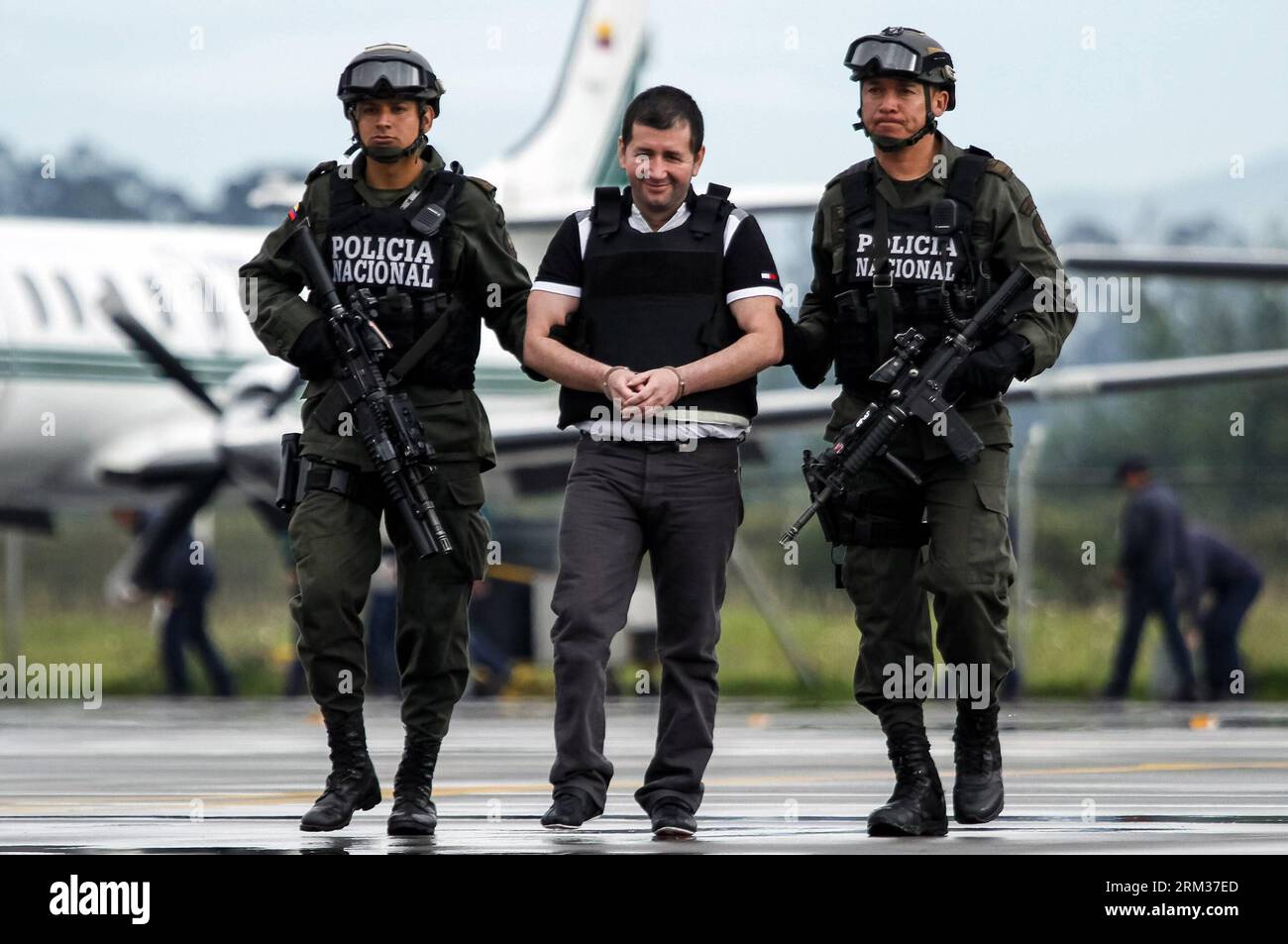
Moreover, human rights concerns frequently emerge in the context of extradition in Venezuela. Critics argue that some extradition requests may be politically motivated, targeting opposition figures or dissidents under the guise of legal proceedings. This raises significant questions regarding the fairness and impartiality of the Venezuelan judicial system and its commitment to upholding human rights standards. Additionally, there have been cases where individuals have been extradited to countries that do not guarantee fair trial rights or that may subject the extradited individuals to harsh conditions.
International Relations and Extradition
The extradition process also plays a crucial role in shaping Venezuela’s international relations. The country’s compliance with international treaties and its willingness to cooperate in extradition matters can impact its diplomatic standing, particularly with nations that prioritize law enforcement collaboration. Conversely, refusal to extradite individuals may strain relationships with countries that believe in the efficacy of utilizing extradition as a tool of justice.
Furthermore, Venezuela’s geopolitical alignments significantly affect its approach to extradition. In recent years, the Venezuelan government has cultivated closer ties with countries that have similar political ideologies, which can lead to selective cooperation in extradition cases. For instance, extradition requests from nations aligned with Venezuela’s political stance may receive a more favorable reception compared to requests from its adversaries.
Conclusion
The extradition process in Venezuela is a multifaceted issue that encapsulates a range of legal, political, and human rights dimensions. While the country has established a legal framework that ostensibly accommodates extradition, practical challenges often inhibit its smooth functioning. Political factors, judicial impartiality concerns, and the broader implications for international relations serve to complicate the extradition landscape in Venezuela.
As global interconnectivity increases and transnational crime grows, the importance of a reliable extradition process becomes more pronounced. Addressing the challenges inherent in Venezuela’s extradition system is not only vital for upholding the rule of law but is also essential for fostering international cooperation in combating crime and safeguarding human rights.