
Understanding the Extradition Process in Venezuela: Legal Framework and Challenges
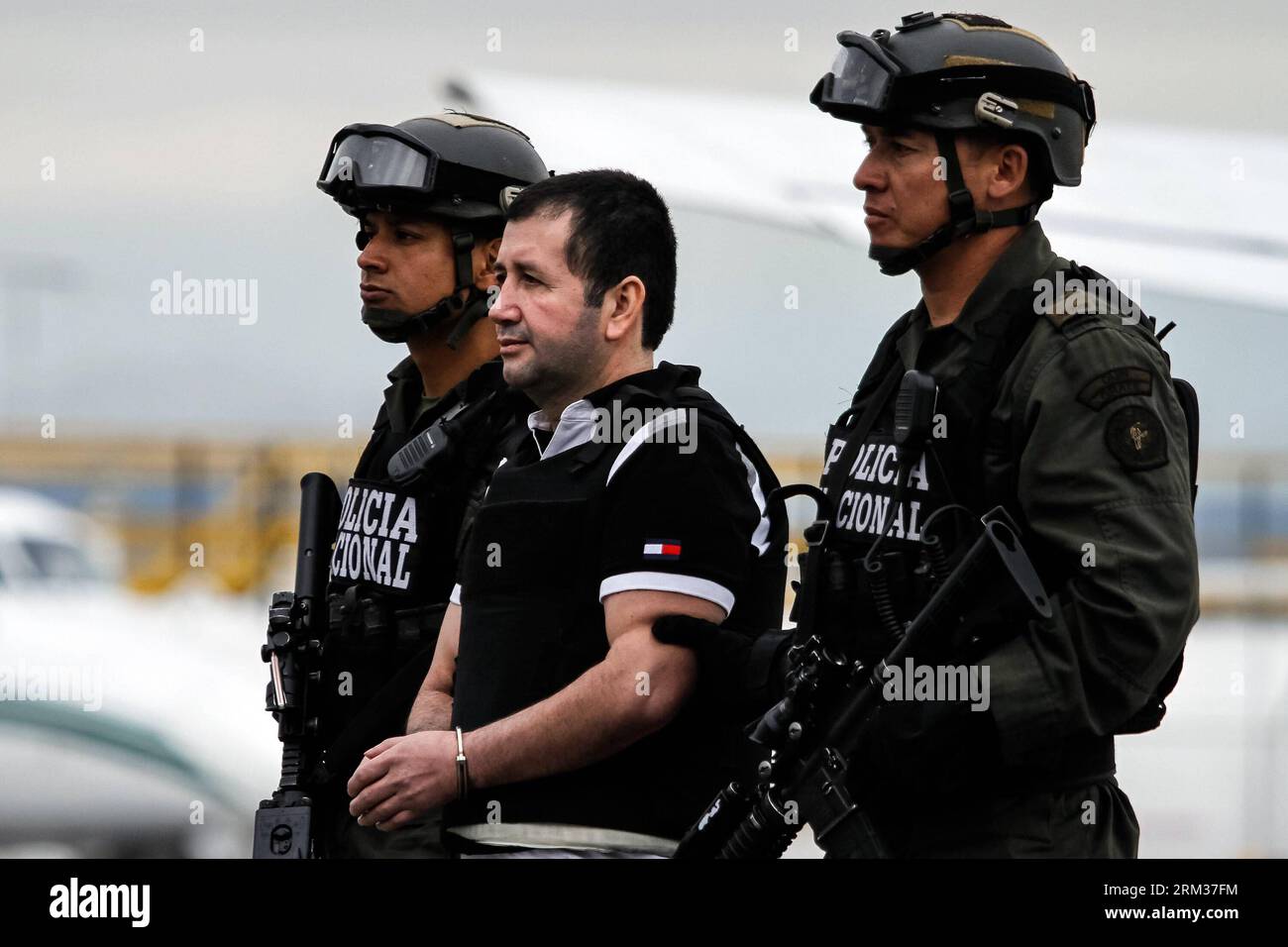
The extradition process in Venezuela has garnered attention both domestically and internationally due to its complex legal framework and the political implications that often accompany such cases. Extradition is the formal process by which one country transfers an alleged criminal to another country, where they are wanted for prosecution or to serve a sentence. The situation in Venezuela presents unique challenges influenced by political, legal, and social factors that affect how extradition requests are handled.
Legal Framework for Extradition in Venezuela
Venezuela’s extradition laws are primarily governed by the Constitution and various international treaties. The cornerstone of the extradition process is found in Article 435 of the Venezuelan Constitution, which stipulates that extradition may be granted provided there is a corresponding legal basis. This includes provisions that ensure due process and consider the human rights of the individuals involved.
International treaties, such as the Andean Community Agreement and bilateral treaties with other nations, further outline the mechanisms for extradition. These treaties typically stipulate the types of offenses that warrant extradition and establish procedures to be followed. Importantly, Venezuela’s legal framework permits the rejection of extradition requests based on principles of sovereignty, human rights, and the legal norms of the country.
Challenges in the Extradition Process
Despite having a structured legal framework, the extradition process in Venezuela faces numerous challenges. One of the most significant challenges is the political climate. The Venezuelan government has been accused of using the extradition process as a political tool, particularly against opponents and dissenters. This politicization can lead to inconsistencies and biases in how extradition requests are evaluated.
Furthermore, the judicial system in Venezuela has faced widespread criticism regarding its independence and integrity. Reports indicate that the judiciary is often influenced by political pressures, which can compromise the fairness of extradition proceedings. As a result, there have been numerous cases where extradition requests were either granted or denied based on factors unrelated to legal standards.
The Role of Human Rights Considerations
Human rights considerations play a crucial role in the extradition process in Venezuela. The country is a signatory to various international human rights treaties, which assert the right to a fair trial, the prohibition of torture, and non-refoulement, which prevents the return of an individual to a country where they may face persecution.
Because of this, extradition requests may be denied if there are credible concerns that the individual facing extradition would be subjected to unfair treatment or human rights violations in the requesting country. For instance, Venezuela has historically declined to extradite individuals to the United States, primarily due to fears of capital punishment or unfair trial processes in the U.S. legal system.
International Relations and Extradition
The extradition process is also influenced by international relations. Venezuela’s geopolitical position has led to strained relationships with various countries, especially the United States and some Latin American nations. These strained ties can complicate extradition requests, particularly when political motivations are suspected.
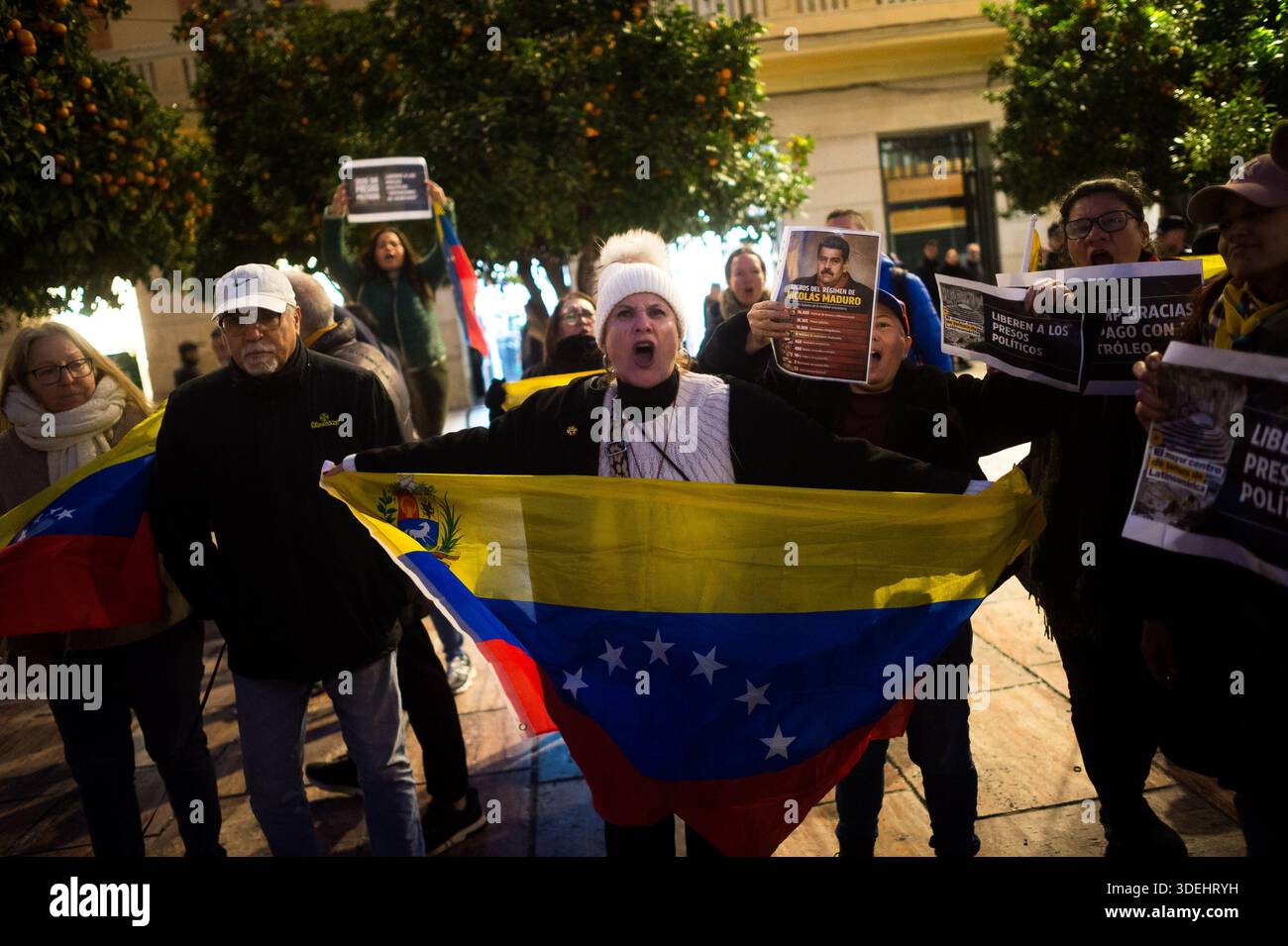
For instance, critics of the Venezuelan government have been accused of trumped-up charges in some instances, leading to extradition processes that are fraught with political overtones. Conversely, the Venezuelan government has also issued extradition requests for individuals it accuses of crimes, such as drug trafficking or corruption, which can further muddy the waters of international relations.
Recent High-Profile Extraditions
In recent years, some high-profile extradition cases have drawn significant media attention. These cases often illustrate the complexities and challenges of the extradition process in practice. For example, the extradition of renowned drug traffickers showcases how Venezuela navigates the intersection of criminal law and international diplomacy.
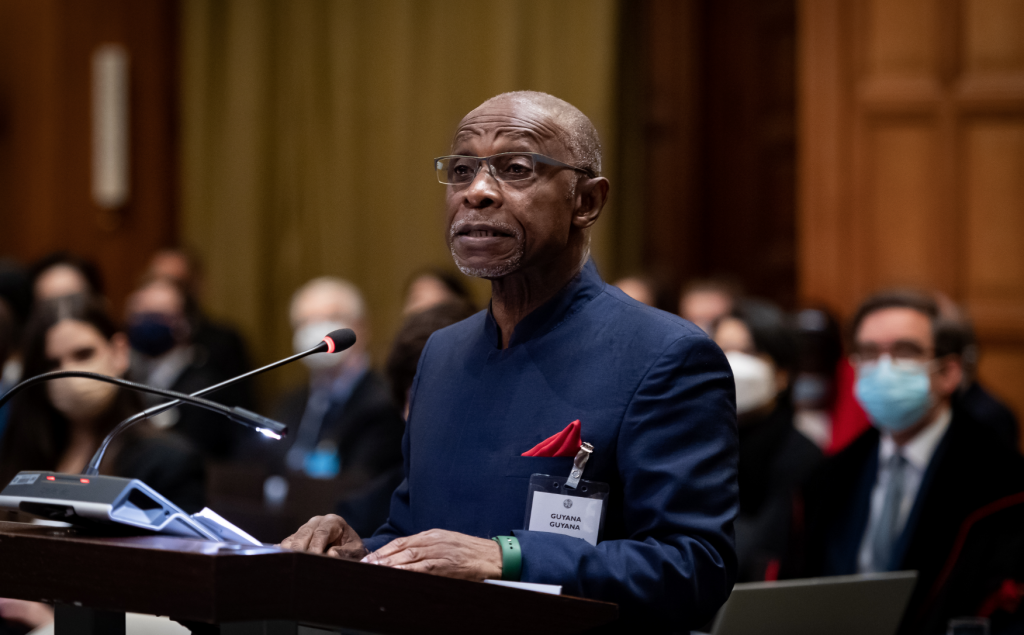
Cases involving political dissidents have raised concerns about the integrity of the extradition process as well. High-profile figures have been arrested in other countries at the request of the Venezuelan government, only to face serious allegations that their extradition is politically motivated rather than based on legitimate legal concerns.
Conclusion: The Future of Extradition in Venezuela
The extradition process in Venezuela is a complex interplay of law, politics, and human rights. The existing legal framework provides a pathway for extradition, but political influences and human rights considerations significantly affect its implementation. As international scrutiny of Venezuela increases, particularly regarding its human rights record and governance, the extradition process will undoubtedly undergo further examination and evolution.
The future of extradition in Venezuela will depend on the political climate, the integrity of its judicial system, and the country’s relationships with the international community. Understanding these factors will be crucial for anyone interested in the intricacies of the legal processes and implications of extradition in this dynamic region.