
Exploring the fascinating history of gambling From ancient bets to modern casinos Pinco
The Origins of Gambling
The history of gambling can be traced back to ancient civilizations, where the concept of placing bets was prevalent in various forms. Archaeological findings suggest that the earliest evidence of gambling dates back to around 3000 BC in China, where tiles were found that are believed to have been used for a game of chance. Similarly, the Romans and Greeks engaged in betting on sports events and dice games, establishing the groundwork for gambling’s social and recreational aspects. These early forms of gambling were often linked to religious practices and societal rituals, indicating that the allure of chance has always been an integral part of human culture. For those interested in the modern scene, https://ppda.ca/ offers insights into contemporary gaming.
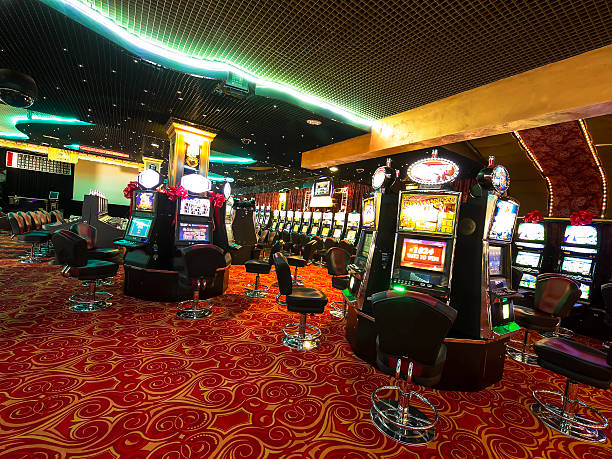
As gambling evolved, so did the types of games people engaged in. The introduction of playing cards in the 9th century led to an increase in card games across Asia and eventually Europe, with games like poker and blackjack emerging. The adoption of various games not only made gambling more accessible but also diversified it, enabling different cultures to adapt and reinvent it according to their social norms. This cultural exchange resulted in unique gambling customs that highlighted the communal aspect of betting, paving the way for the modern gambling landscape, especially platforms like Pinco Casino.
The concept of legality in gambling began to emerge in the Middle Ages as laws and regulations began to shape how gambling was conducted. Various societies recognized the potential for both entertainment and economic benefits, leading to the establishment of state-sponsored lotteries and regulated gambling houses. This shift marked the transition from informal gambling to more organized forms, showcasing the growing acceptance and integration of gambling into everyday life.
The Rise of Casinos in Europe
The first modern casinos began to appear in Italy in the 17th century, specifically in Venice. These establishments were luxurious venues where the affluent could indulge in gambling, socializing, and entertainment. The Casino di Venezia, established in 1638, is one of the oldest casinos still in operation today. As gambling gained popularity among the upper class, other European countries began to follow suit, leading to the establishment of casinos in places like France and Germany. These venues not only catered to the wealthy but also began to attract a broader audience, setting the stage for the evolution of gambling as a mainstream activity.
The French Revolution further changed the landscape of gambling in Europe. Casinos became centers of social activity, where people from all walks of life could come together to enjoy games of chance. The establishment of the Monte Carlo Casino in Monaco in the 19th century marked a significant milestone in the gambling industry, providing a glamorous atmosphere that became synonymous with high-stakes gaming. This era solidified the association between casinos and luxury, emphasizing the role of gambling as a form of escapism and entertainment.
With the expansion of railroads in the 19th century, access to these casinos became easier for the general populace. This accessibility led to an increase in the gambling community, allowing for the proliferation of various gaming options. The blend of culture, opulence, and chance fostered an environment where gambling thrived, setting the groundwork for modern casinos and the global gambling industry we recognize today.
The American Gambling Boom
The arrival of gambling in America can be traced back to the early 1600s, with the introduction of lotteries as a way to raise funds for public projects. As the nation grew, so did the popularity of gambling, with informal games held in saloons and taverns across the burgeoning country. By the mid-19th century, the California Gold Rush contributed to the rise of casinos, as prospectors sought entertainment in gambling establishments. This era marked the beginning of the organized gambling sector in America, leading to the establishment of iconic gambling hubs.
Las Vegas, often referred to as the gambling capital of the world, saw its first casino, the El Rancho Vegas, open in 1941. The city’s transformation from a sleepy desert town into a vibrant gambling destination was fueled by the legalization of gambling in Nevada in 1931. Over the following decades, the Strip became synonymous with entertainment, luxury, and high-stakes gambling. Iconic establishments like Caesars Palace and The Bellagio emerged, each creating unique atmospheres designed to attract gamblers from all over the globe.
The introduction of online gambling at the turn of the 21st century changed the gambling landscape once again. With the advent of technology, players could now engage in their favorite games from the comfort of their homes. Online casinos began to offer an extensive range of games, including slots, poker, and live dealer experiences, mirroring the excitement of traditional casinos. This digital revolution not only broadened the reach of gambling but also fostered new player demographics, making gambling more inclusive and accessible than ever before.
The Modern Era of Gambling
Today, the gambling industry has evolved into a multi-billion-dollar global enterprise, comprising traditional casinos, online gaming platforms, and mobile apps. Regulatory frameworks have developed to ensure fair play and consumer protection, making gambling a more secure experience for players. This modernization is reflected in the emergence of sophisticated technologies, such as virtual reality gaming and blockchain applications, which aim to enhance the gambling experience while ensuring transparency and accountability.
The social stigma surrounding gambling has also diminished in many regions, as public perceptions shift to view it as a form of entertainment. This change has prompted the establishment of responsible gambling initiatives, aimed at educating players about the risks and promoting safe gaming practices. Many casinos now incorporate features to help players manage their bankrolls effectively, enabling a healthier relationship with gambling and reducing the risk of addiction.
Moreover, the global pandemic accelerated the growth of online casinos, as physical locations faced temporary closures. Players sought refuge in virtual casinos, leading to a surge in online gambling. Companies adapted to this demand by enhancing their platforms, introducing new game formats, and improving user experiences. This trend suggests that the future of gambling will continue to embrace innovation, catering to the evolving preferences of players worldwide.

Discovering Pinco Casino
Pinco Casino emerges as a premier online gaming platform tailored for Canadian players, offering an extensive selection of over 4,000 games. The platform embodies the evolution of gambling, seamlessly blending traditional gaming elements with modern technology. Players can explore exciting slots, dynamic table games, and immersive live dealer experiences from the comfort of their homes, all within a secure environment designed with user satisfaction in mind.
What sets Pinco Casino apart is its commitment to player experience. Local payment options and robust security measures ensure that players can gamble confidently while enjoying 24/7 exceptional customer support. This focus on player satisfaction highlights the platform’s dedication to creating a high-energy gaming environment, where users can engage with a wide variety of games tailored to their preferences.
Joining Pinco Casino not only unlocks a world of exciting gaming opportunities but also provides access to rewarding bonuses designed to enhance the overall experience. As the gambling landscape continues to evolve, Pinco Casino exemplifies the future of online gaming, ensuring that players have an enjoyable and secure platform for their gambling pursuits.